
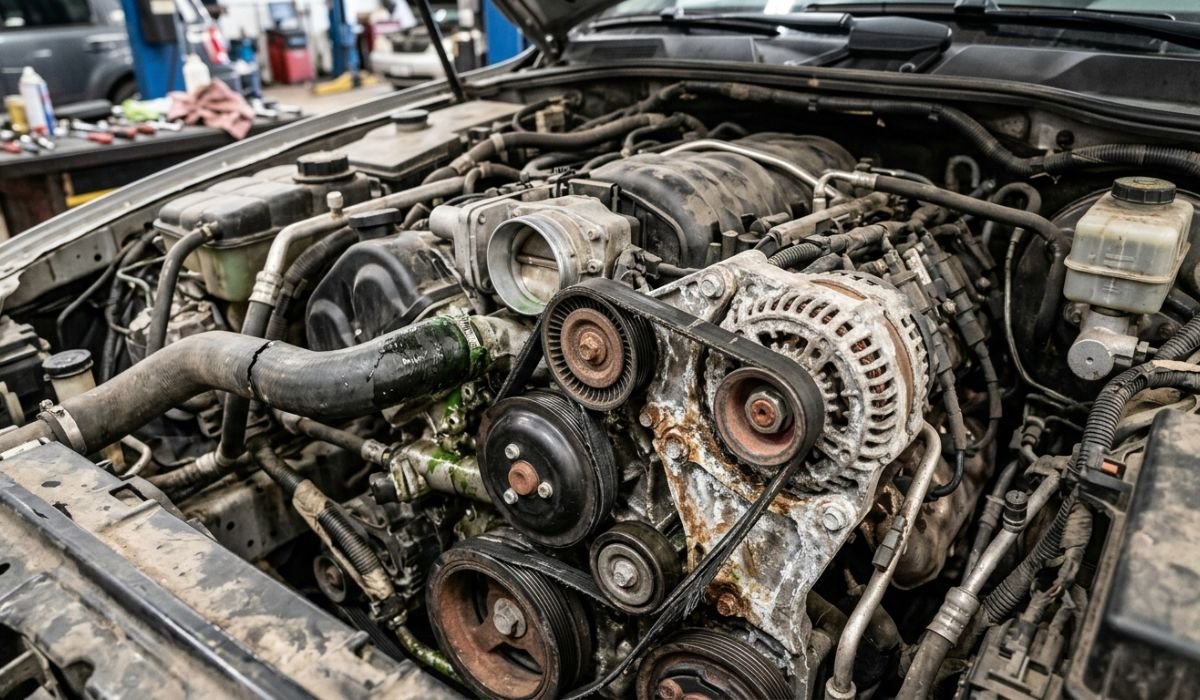
One little mechanical issue may not sound like a big deal if the luxury SUV still starts up, gets around and is fine overall. However, if the fault persists while driving, it could cause added strain in other components. A little problem can snowball into a big, costly repair.
A minor problem may become a greater problem and cause increased wear, loss of performance, decreased gas mileage, overheating, fluid loss or damage to other components if it is ignored. Other important systems can also be involved with some problems that may occur during braking, steering, suspension, etc. The longer the vehicle is driven with a known fault, the more complicated it could get to limit the damage. An early inspection may help identify the cause before it spreads.
Why Can a Small Mechanical Fault Be a Big Problem?
Vehicle systems are closely connected. If a part fails to operate properly, another part can have to compensate to maintain normal operation of the SUV. This added weight can increase wear and alter the vehicle’s handling.
A small fluid leak can reduce lubrication, and a worn belt can affect other engine parts. A weak suspension part can also exert higher stresses on surrounding parts.
Avoiding a minor problem from becoming a major one can be achieved by availing of professional car repair in Abu Dhabi services, early enough.
1. A Small Leak Can Cause Big Damage
A small leak of oil, coolant, brake fluid or transmission fluid might seem insignificant. Just a bit beneath the car may not be enough to stop driving. But if something is leaking slowly, it will still cause a loss of fluid over time.
When fluid levels are low, there is an increase in friction, heat and wear to the system. Engine oil protects moving parts, coolant controls temperature and transmission fluid keeps gears running smoothly.
When they fall too low, the vehicle could be severely damaged. Early detection of a leak can prevent fluid loss from becoming a big repair.
2. Worn Belts Can Cause Other Engine Parts to Wear
Drive belts are used to move the power to significant accessories and systems. They can run the alternator, cooling system, water pump or other parts of the SUV.
Cracked, worn, loose or damaged belts can run for a period of time after they start to fail. If a belt fails while driving, connected systems may stop functioning.
In some cars, a worn belt can also cause either overcharging or overheating. Regular inspections can catch signs of wear before the belt becomes a roadside threat.
3. Brake Wear May Lead to a Safety Issue
Brake pads and other braking components will inevitably wear over time under normal driving conditions. If the SUV still stops with a minor amount of brake noise or decreased braking response, this could be overlooked.
But over time worn brake pads can cause damage to other components or brake discs. Stopping distance may also vary as the condition worsens.
A grinding noise means the friction material is worn. The braking system directly affects vehicle control and safety; therefore, address brake issues early.
4. Elevated Levels of the Suspension Problem at One Component Can Transfer to Other Components
Luxury SUVs tend to be heavy and the suspension systems have to take heavy loads. A worn suspension component such as a shock absorber, bushing, ball joint or other component can impact the way the vehicle responds to bumps and rough roads.
Other parts of the suspension and steering are then put under further strain. Wheel alignment or suspension geometry can also cause uneven tire wear.
The vehicle may bounce, pull or knock or handle abnormally. Early detection of a worn part helps you identify the problem before several components are affected.
5. Tire Issues May Escalate Over Time
If a tire has one or more of these characteristics, it may not look like it is in good shape, but it is likely to wear out. Driving with the cause unchecked may be detrimental to the situation.
A tire that is not inflated properly will impact handling, braking, fuel consumption and tire longevity. If there is irregularity in wear, it could also be a misaligned or mis-suspended tire.
If the puncture is slow, as the pressure drops the heat can increase inside the tire while driving. Regularly checking the condition and pressure of the tyres will help to detect issues early on, before they become a further danger or cause additional damage.
6. Cooling Issues Can Cause Over Heating
A leak in the cooling system, poor cooling fan performance, damaged hose or thermostat difficulty can result in cooling system overheating without alarming outside temperature readings. The SUV may continue to operate normally under light driving conditions.
But the issue may be more apparent in traffic, hot weather or if one is carrying heavy loads. When the cooling system won’t cool the engine sufficiently, the engine temperature can increase.
Overheating can cause the gaskets, seals, cylinder head parts and other parts of the engine to be damaged. So if you notice the first sign of a cooling problem, have it checked rather than waiting for the temperature warning.
7. Engine Misfires May Lead to Further Damage
A misfire may be a slight thumping or lurching. Can be due to spark plug, ignition coil, fuel delivery, air supply or any other engine system problems.
If the engine continues to misfire, it can influence the performance of the engine and fuel consumption. In some cases, the unburned fuel can get into the exhaust system, which can raise the temperature of the catalytic converter.
The longer the misfire lasts, the more critical it becomes that the cause of the misfire be discovered. A diagnostic check will determine if problems are connected to ignition, fuel, air or any other system.
8. Transmission Problems Can Get Worse With Continued Driving
Symptoms of a problem with a transmission can include delayed shifting, abnormal noises, slipping or rough shifting. These symptoms may occur intermittently and become more frequent.
If you keep driving with a transmission issue, it can cause additional wear and heat in the transmission. If a fluid leak or low fluid level occurs, the situation can get worse. Another potential issue regarding the transmission changing gears is very small issues with the sensor or solenoids. Testing can help to determine if the issue is electrical, hydraulic, fluid or mechanical, and can be conducted early to help identify the issue.
9. Any Small Steering Faults Should Not Be Ignored
Steering issues can start with an abnormal vibration, noise, stiffness or change in steering feel. The symptoms can present themselves in worn steering parts, low fluid, alignment problems or mechanical problems.
Failure to address the issue may lead to wear in related steering and suspension components. The other worn or loose part can also impact the stability of the vehicle.
Because steering directly affects the direction the SUV is going, unusual steering should not be considered normal wear and tear. Diagnosing it early can help you identify the affected area before the problem worsens.
How to Determine If a Small Fault Is Growing in Severity?
How the SUV reacts can offer some helpful hints. If the problem worsens in frequency, volume or becomes more obvious, then the affected area is likely to be in further wear.
Find examples of:
- New sounds: Knocking, grinding, squealing or humming not heard before.
- Unusual gear changes: Slower acceleration, rough running.
- Fluid spots: Oil, coolant, transmission fluid or other liquid under the vehicle.
- Warning lights: New warning lights or lights that have reappeared on the dashboard.
- Handling changes: pulling, vibration, bouncing or steering changes.
- Increased temperature: Engine temperature rising to a level higher than normal.
These signs aren’t always a clue to the exact defect, but they indicate further investigation may be needed.
Conclusion
When you drive a luxury SUV with a minor mechanical issue, it can become a much bigger problem than it started as. Ongoing use can exacerbate fluid leaks, worn brakes, suspension issues, tire problems, cooling problems, misfires, transmission issues, and steering issues.
The primary concern is not necessarily the faulty component. Increased stress can result in repair requirements to other parts and result in the spread of the problem. It’s important to listen for unusual noises, light up, leaks, temperature changes and performance problems so that the trouble can be spotted early. A proper inspection can then confirm the issue and prevent avoidable damage.